Return on Imagination: How does art improve profitability?
How strategic artwork choices can increase revenue for hotel and cruise owners
Let’s get straight to the point – a strong Return on Investment is the principal reason why investors fund property development projects. Companies that achieve better returns achieve higher valuations, which result in better funding prospects for their next ventures. At a basic level, a hotel owner purchasing a coffee machine for their restaurant can be confident in the cappuccino sales that will lead to a healthy return on investment for that equipment purchase. The case for ROI on art is just as convincing but perhaps not as well understood.
Art is often the final layer in a space and can sometimes be an afterthought in the hospitality industry—a visual enhancement rather than a financial driver. We believe this limited approach misses the opportunity to achieve a Return on Investment for art assets. A well-considered art strategy can significantly impact a hotel’s bottom line, influencing guest experience, brand perception, and even direct revenue streams. Guests increasingly desire unique and immersive experiences, and venues that invest wisely in art can differentiate themselves from competition and boost profitability.
Art as a Brand Differentiator
Luxury venues are destinations in their own right. Thoughtfully curated artwork can help shape a hotel’s identity and create a strong connection with guests. Luxury groups like Ritz-Carlton and boutique brands such as Miiro have leveraged art to reinforce their distinct narratives, making their properties more memorable and guests more likely to post and share details about their stay with others.
Art helps shape the guest’s perception before they even step foot in a space. Large scale art commissions often become Instagrammable moments, leading to organic social media marketing. Guests posting images of installations generate free PR and increase exposure, driving direct bookings from new customers attracted by the vibe.
Enhancing Guest Experience & Increasing Repeat Stays
A well-designed guest experience engages with all our senses and what we see in front of us plays a key role. Art can create a sense of place, evoke emotions, and provide guests with a deeper connection to their surroundings. Studies show that people are more likely to return to venues where they had a meaningful and immersive experience. Artstory has worked with clients to develop art tours and workshops with local artists to give guests a reason to return, knowing they can tap into something new or gain deeper insights each with visit. This strategy not only builds loyalty but also creates opportunities for collaborations with local artists, further enhancing the hotel’s reputation.
Art that appreciates in value
A dual-purpose investment strategy can combine financial assets that increase in value over time with a destination art collection that acts as a guest magnet. This can be done at different levels. Owners can work with art consultants and galleries to purchase art from emerging artists. As their careers develop, these pieces may increase significantly in value. Higher budgets will be required for more established artists but with that investment comes with a higher likely resale value in the future as well as a more valuable associated PR opportunity. For example, the Faena Hotel in Miami includes site specific commissions from well established artists like Damian Hirst, making the hotel a destination for collectors. Specialists like Art Story can ensure artworks are framed and presented with appropriate materials to ensure they remain in mint condition. Security and insurance will also be integrated into the art strategy and budget.
Boosting Room Rates & Attracting High-Value Guests
A well-curated art collection enhances any given value offering, allowing properties to charge higher room rates. This is useful for larger properties with multiple room levels where art can be used to help signal different luxury levels. The top suites will typically feature originals and hand-made sculptures whereas an appropriate specification for entry level rooms or cruise ship cabins may be framed limited edition prints. It is not necessarily about the old-fashioned luxury signals of materiality; at the very highest-end travellers seek exclusivity and hand crafted, authentic stories.
The principle can still be applied to all levels in the market. According to a study by the American Hotel & Lodging Association, hotels with distinctive art collections often see higher occupancy rates and increased spending per guest.
Corporate Events & Cultural Programming
Beyond individual guests, art can also attract corporate clients and event planners. Spaces in which art takes a lead role make for more intriguing event venues, leading to increased bookings for weddings, conferences, and brand activations. Companies and organisations often seek out hotels with creative and inspiring environments for their events, giving art-centric properties the edge.
The Psychological Impact of Art on Guest Spending
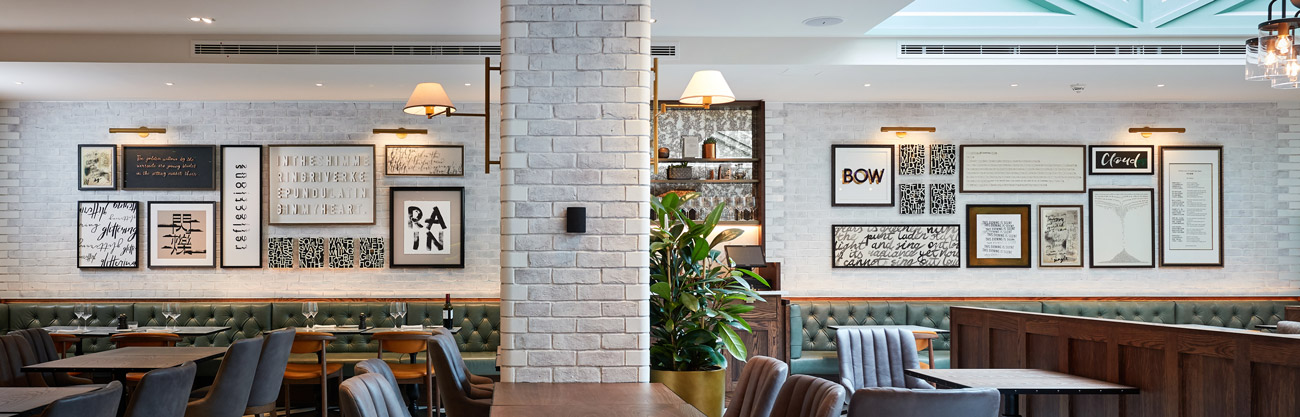
Art has a proven psychological impact on consumer behaviour. Studies in neuro-aesthetics suggest that exposure to beautiful or inspiring artwork can enhance mood and this can lead to increased spending. Strategically placed art in hotel bars, restaurants, and lobbies can increase dwell time, leading guests to order that extra round of cocktails or stay for dinner. Similarly, calming and sculptural artwork in spa areas can reinforce relaxation and well-being, helping to encourage guests to sample treatments.
Investing in Art for Long-Term Returns
Art in hotels is far more than a decorative luxury—it is an investment with measurable returns. From brand differentiation and social media engagement to direct art sales and increased room rates, the right artwork choices are key. Some of our clients survey their guests to confirm the role that art plays in their experience to help verify ROI.
Investing in a thoughtfully curated art program isn’t just about aesthetics; it’s about crafting an experience that drives long-term profitability. As the hospitality industry evolves, those who build and protect separate art budgets linked to specific art strategies with feedback will be able to drive a strong Return on Imagination as well as the ROI that leads to future growth.
Author: Harry Pass, Artstory