On Getting Lost: Storytelling Beyond the Clichés
Storytelling has become second nature in hospitality design
But how do you stop it from becoming predictable?
Narrative, sense of place and local reference points are part of the shared language of the industry.
But as these approaches become increasingly familiar, there is a risk that stories begin to feel predictable – overly familiar heritage references, narratives that explain themselves too neatly. The real challenge is no longer whether to tell a story, but how to keep it authentic.
For Joe Stella, Creative Director at twenty2degrees Design Partnership, storytelling is integral to the creative process. “It’s never something where we sit down and say, ‘OK, now we need to do the storytelling part,’” he says. “It’s something we’re thinking about all the time; it evolves alongside spatial decisions and materiality.”
Rather than settling for initial ideas, twenty2degrees deliberately rework them.
“We take an idea and spin it around until it evolves into a creative outcome that still joins the dots of the initial thought, only with a lot more layering and substance”
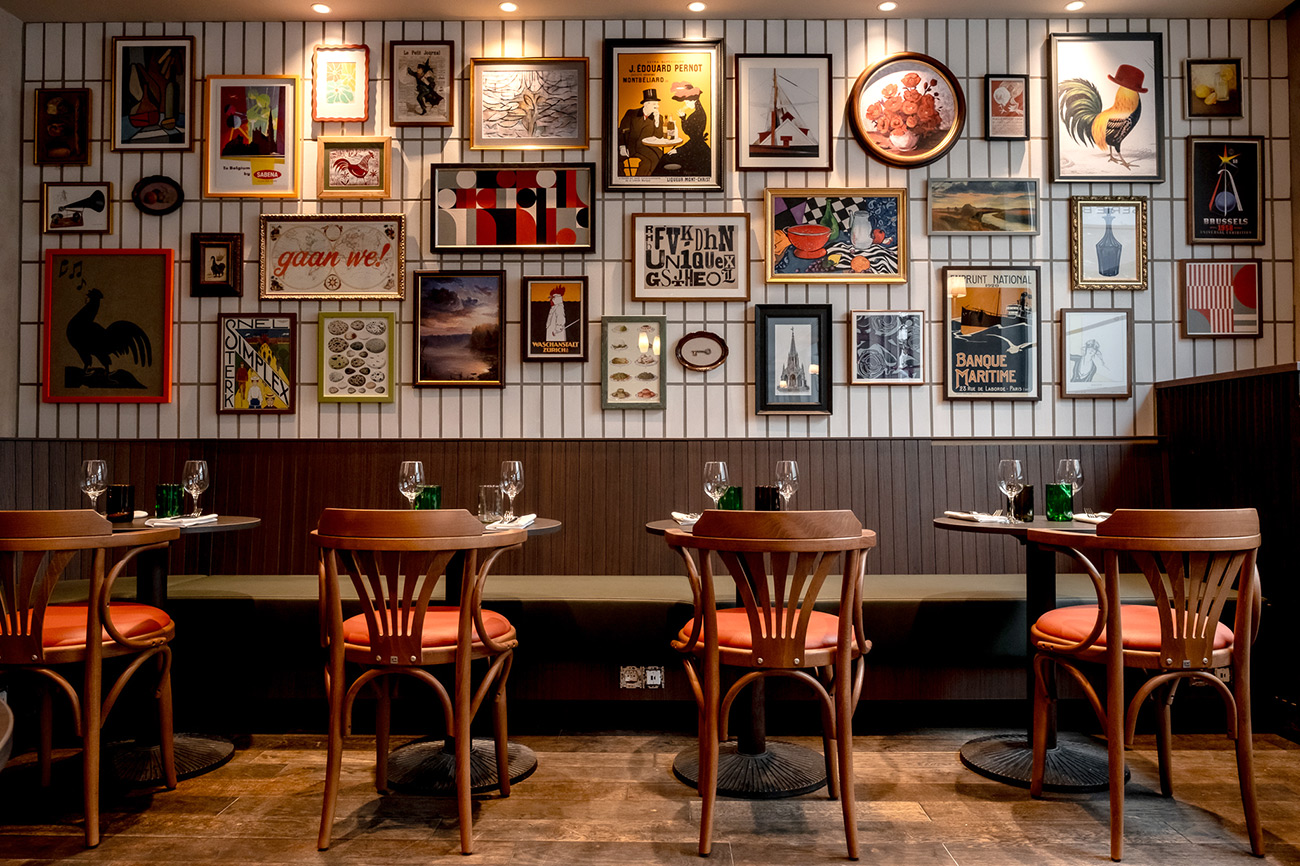
The outcome is often a narrative that doesn’t announce itself. Some elements are immediately legible, while others remain abstract, revealing themselves gradually through anything from art or subtle architectural gestures, to music or even a distinct scent. This balance between clarity and ambiguity is central to how the studio keeps stories engaging.
Stella and twenty2degrees Design Partnership founder Nick Stoupas bring a shared way of moving through the world to the studio’s approach. Both are designers, but also deeply curious travellers. Research develops through experience as much as intention – visiting local bars, listening to musicians, noticing everyday rhythms and paying attention to how places are actually used.

“We’re always excited about working somewhere new and wanting to get to know that location, almost as though we become friends with the new location, in order to emotionally connect with it.”
That curiosity plays a crucial role in avoiding clichés. Stella is clear that when references feel too familiar, the result can be limiting.
“If the design feels too generic, you end up with a space where only tourists go,” he says. “But when we dig a little bit deeper, and navigate stories respectfully, we often discover something really interesting to draw inspiration from that even the locals don’t know about.”


Collaborating with Artstory on Fellows House in Cambridge, a luxury hotel within the Curio Collection by Hilton, the idea of uncovering stories plays out clearly.
Surrounded by deep academic heritage, the challenge was not finding reference points but deciding which ones to explore. Rather than concentrating on the most famous figures, the art programme draws on a broader interpretation of the University’s fellows, incorporating recognisable names alongside works inspired by lesser-known individuals, quieter contributions and overlooked narratives.
A similar process is evolving on the live Hyatt Regency London Olympia project, where the art collection is currently being developed in collaboration with Artstory. Stella explains that transforming a former car park into a hotel has required a creative approach to the storytelling, looking beyond the obvious and drawing on the wider cultural history of Olympia.


“Art is subjective, not everybody that experiences the interiors we design needs to agree on the art within the spaces”
For Stella, art is not simply decorative. It introduces interpretation, interaction and sometimes even friction.
“It is perfectly fine with me if it isn’t everyone’s cup of tea, or takes a bit longer for the guest to join the dots, as long as it stays true to connecting with our story. Leaving room for intrigue, rather than consensus, allows narratives to feel more human and less imposed.”
Underlying all of this is enthusiasm. Stella speaks with genuine excitement about uncovering stories, working in new places and collaborating with people who share that curiosity. “I get far more fulfillment out of a creative discussion where collaboration is encouraged and an open thought process is appreciated,” he says “And importantly, it is both the project, and the guest experience that benefit.”