
The Future of Art in Hospitality
The way we think about art in hospitality is changing.
The forces at play over the next decade
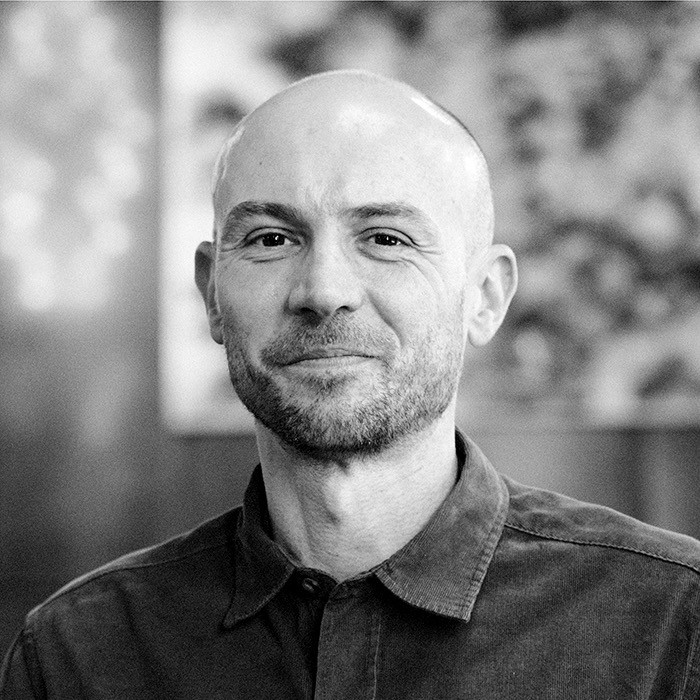
Advances in technology, sustainability and scientific research are changing how art is designed and experienced. As these fields continue to develop, we asked our Creative Director, Harry Pass, to reflect on what the next decade might hold.
While a lot is changing in our industry, I believe these three shifts will shape art in hospitality environments the most: digital and AI-driven tools, a renewed emphasis on craft and material responsibility, and a growing understanding of how art affects us neurologically.
Technology Expanding the Creative Toolkit
Technology is already influencing hospitality interiors, mostly as a tool rather than the main attraction, with AI increasingly supporting concept development and visualisation.
I believe experimentation with immersive and responsive environments will continue. Design studio WATG recently wrote about how digital artworks and adaptive systems could allow hospitality spaces to respond to individual guests, creating spaces that feel more fluid and personalised.
At the same time, artists such as Studio Drift show that technology doesn’t have to dominate. Used with restraint, it can create experiences that feel poetic rather than overtly digital.
“The real question is not how much technology is present, but how intentionally it is applied.”
Craft, Time and Material Responsibility
Alongside technological progress, there is a renewed emphasis on materiality and craftsmanship.
“In an automated world, work that clearly shows the time and labour behind it feels increasingly powerful.”
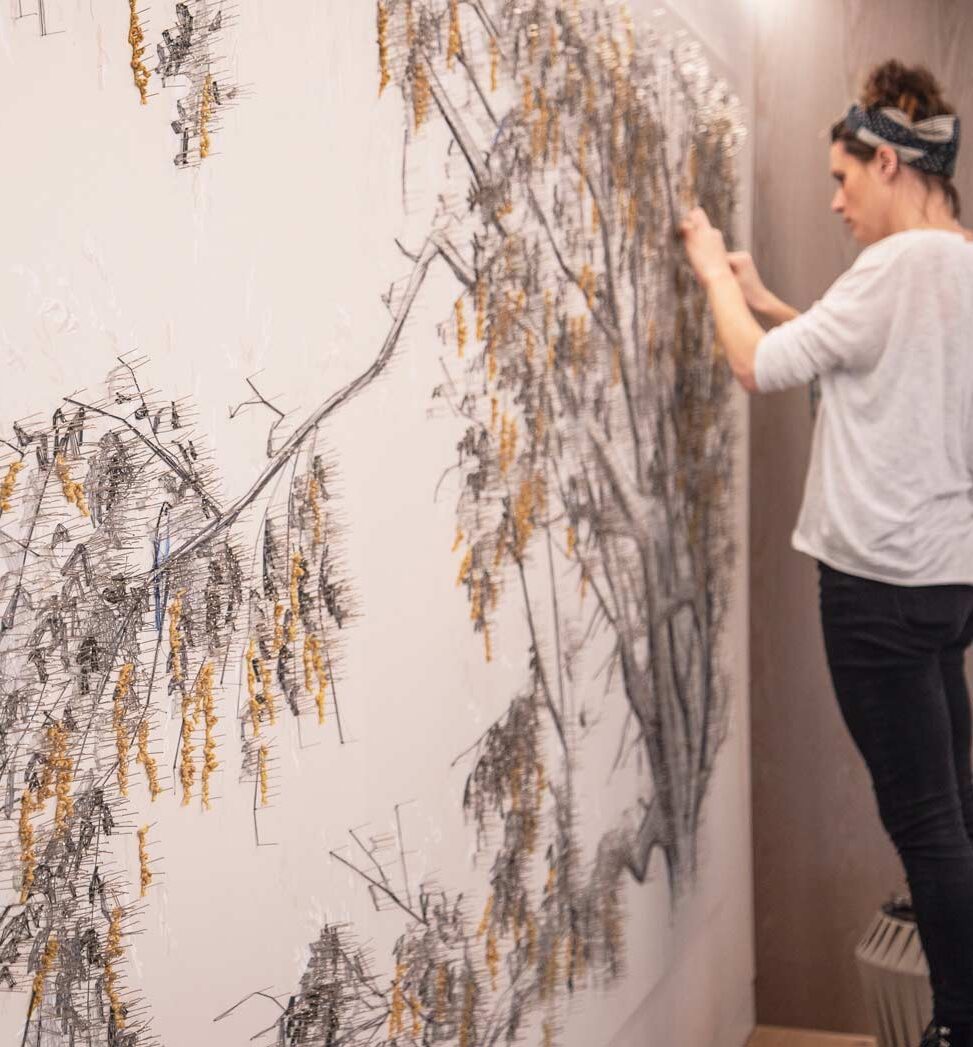
We often see this in our own projects. At the Mubadala office in Mayfair, a vast pin-and-thread installation was realised through thousands of individually placed pins, forming a layered drawing that rewards close contemplation.
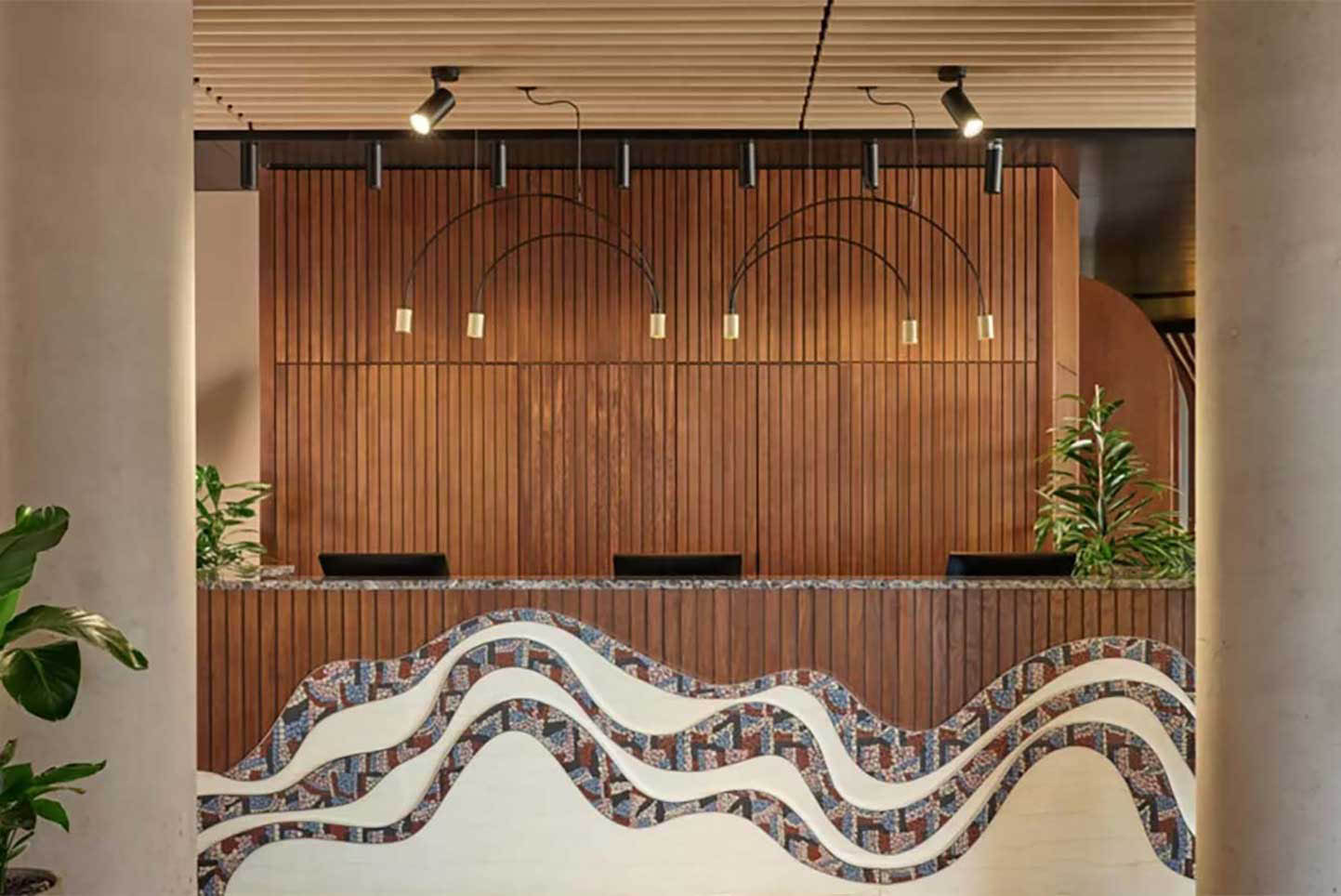
At Indigo Gloucester The Forum, opening in 2026, the reception is anchored by a hand-laid mosaic integrated into the desk itself, turning it into something sculptural and lasting.
Sustainability runs alongside this shift, influencing how we commission work, from ethical sourcing to long-term material choices. This shift is rejecting technology, it’s bringing the focus back to tactility and longevity.
Neuroaesthetics: Designing for the Nervous System
One of the most interesting influences may come from science. The growing field of neuroaesthetics is expanding our understanding of how art affects the brain and nervous system. The book Your Brain on Art first put this on the radar for me. In it, the authors explore how aesthetic experiences can regulate stress and support wellbeing.
“As research develops, colour, scale and texture may increasingly be considered in terms of how guests feel.”
This is likely to reshape how interiors are designed, with art commissioned not only for aesthetic value but for its contribution to guest experience.